


Growth is exciting. New clients, bigger teams, expanding operations. But here's what most business owners don't consider until it's too late: the bigger you get, the bigger target you become. Cybercriminals love growing businesses because they often have more valuable data than startups but fewer security resources than large enterprises. That gap creates opportunity for attackers.
Key Takeaways
- Growing businesses face unique cybersecurity challenges due to expanding digital footprints and limited security resources.
- Phishing attacks remain the most common entry point for cybercriminals targeting mid-sized companies.
- Ransomware incidents are increasing, with attackers specifically targeting businesses that can't afford downtime.
- Employee security awareness training significantly reduces the likelihood of successful attacks.
- Proactive risk management is far less expensive than recovering from a data breach.
Why Growing Businesses Are Prime Targets
The numbers tell a sobering story. According to recent cybercrime cost projections, the global cost of cybercrime continues climbing year over year, and mid-sized businesses absorb a disproportionate share. Attackers know that growing companies often rely on patchwork security measures, outdated software, or undertrained staff. They also know these businesses have valuable customer data and enough revenue to pay ransoms if pressured.
Growth introduces complexity. Every new employee, device, software tool, and customer touchpoint creates another potential vulnerability. Without deliberate attention to security, those vulnerabilities multiply faster than most owners realize.
Related: Navigating The Evolving Landscape Of IT And Cybersecurity
1. Phishing Attacks
Phishing remains the most common way attackers breach business networks, and it's getting harder to spot. Modern phishing attempts often look identical to legitimate messages from vendors, banks, or internal colleagues. All it takes is one employee clicking the wrong link, and attackers gain a foothold in your systems.
The best defense combines technical controls with human awareness. Email filtering catches obvious threats, but sophisticated attacks slip through. That's why phishing attack simulations training has become standard practice for security-conscious organizations. When employees regularly encounter simulated phishing attempts, they develop instincts to recognize real threats.
2. Ransomware
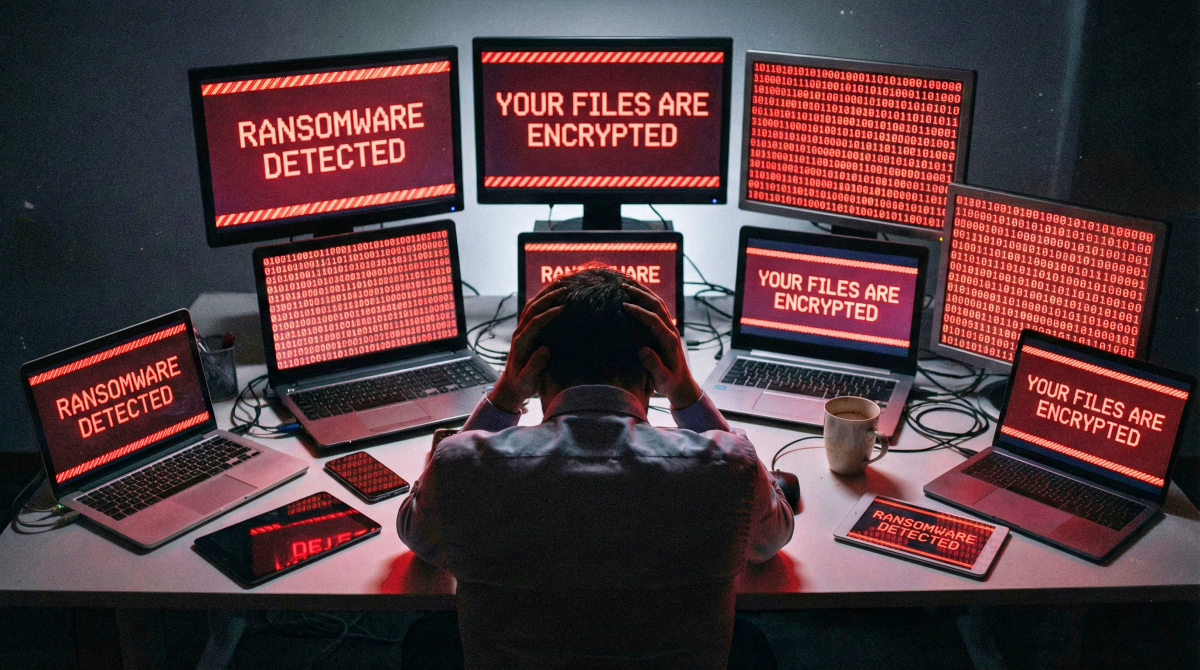
Recent ransomware attack trends show attackers increasingly targeting businesses that can't afford extended downtime. Manufacturing companies, healthcare providers, and professional services firms are particularly vulnerable because their operations depend on constant data access.
Ransomware attacks typically start with phishing or exploiting unpatched software vulnerabilities. Once inside, attackers move through networks, encrypting critical files before demanding payment. Prevention requires layered defenses: regular software updates, network segmentation, robust backups, and employees trained to spot suspicious activity.
3. Weak Password Practices
It sounds basic, but weak passwords still cause an alarming number of breaches. People reuse passwords across multiple accounts, choose easily guessable combinations, or share credentials with coworkers for convenience. When one account gets compromised, attackers try those same credentials everywhere else.
Multi-factor authentication significantly reduces this risk by requiring something beyond a password to access accounts. Password managers help employees maintain unique, complex credentials without memorizing dozens of different logins.
4. Insider Threats
Not every threat comes from outside your organization. Disgruntled employees, careless contractors, or well-meaning staff who don't understand security protocols can expose sensitive data. Sometimes it's intentional theft, but more often it's accidental, like emailing confidential files to the wrong recipient.
Addressing insider threats requires clear policies, appropriate access controls, and ongoing education. Employees should only access systems and data they need for their specific roles. Regular training helps everyone understand what behaviors put the company at risk.

Related: Top 5 Online Cyber Security Training Topics For Employees
5. Unpatched Software and Systems
Every software application has vulnerabilities that developers discover and fix through patches and updates. Many businesses delay installing these updates because they're busy or worried about compatibility issues. Attackers actively scan for systems running outdated software because those known vulnerabilities provide easy entry points.
Establishing a consistent patch management process is one of the most effective security investments a growing business can make. Automated updates where possible, combined with regular manual reviews for critical systems, close the window attackers rely on.
6. Third-Party Vendor Risks
Your security is only as strong as your weakest vendor connection. Growing businesses increasingly rely on cloud services, SaaS platforms, and external contractors who access internal systems. Each relationship introduces potential vulnerabilities outside your direct control.
Before granting system access to any third party, evaluate their security practices. Require vendors to meet minimum standards, limit their access to only what's necessary, and include security requirements in contracts.

7. Lack of Employee Security Training
Here's where everything connects. Technology alone can't protect your business if your people don't know how to use it safely. According to business data breach statistics, human error remains a leading factor in successful cyberattacks. Employees who don't recognize threats, don't follow protocols, or don't report suspicious activity leave the door open for attackers.
Effective training isn't a once-a-year compliance checkbox. It's an ongoing process that keeps security awareness fresh and relevant. Platforms offering fully managed security awareness training deliver consistent education without overwhelming busy teams. Short, regular lessons build habits that stick far better than annual marathon sessions nobody remembers.
Building a Security-First Culture
Protecting your growing business doesn't require an enterprise-level budget. It requires attention, consistency, and commitment to making security part of how everyone works. Start by assessing your current vulnerabilities and prioritize addressing the most critical risks first.
Technology solutions provide essential tools, but culture determines whether those tools get used effectively. When leadership demonstrates that security matters, employees follow.
Ready to strengthen your team's security awareness? Explore how Drip7 can help protect your growing business.
Conclusion
Cybersecurity risks grow alongside your business, whether you're paying attention or not. The threats outlined here, from phishing and ransomware to insider risks and untrained employees, aren't hypothetical future concerns. They're active challenges affecting businesses like yours right now. The good news is that awareness and preparation dramatically reduce your exposure. By understanding these risks and taking deliberate steps to address them, you protect not just your data and systems, but the trust your customers place in you and the future you're working to build.