
.webp)

Tax season (January-April) is peak time for cybercriminals. Phishing attacks surge as hackers impersonate the IRS, tax software, and financial institutions to steal data, credentials, and refunds. Organizations face high risk, both externally and from employees clicking convincing fake tax notices. A working defense starts with understanding these predictable, evolving tactics during this critical window.
Key Takeaways
- Phishing attacks increase significantly during tax season because attackers exploit urgency, financial anxiety, and trust in official-looking communications.
- Cybercriminals impersonate the IRS, tax preparation services, and financial institutions to steal credentials, redirect refunds, and access sensitive personal data.
- AI-powered phishing tools now generate highly personalized and grammatically flawless emails that bypass traditional detection methods.
- Employees are the primary entry point for most tax-related phishing attacks, making security awareness training critical during this high-risk period.
- Organizations must combine proactive training, simulated phishing exercises, and clear reporting protocols to reduce risk during tax filing months.
Why Tax Season Creates the Perfect Phishing Environment
Research consistently shows that phishing attacks peak during tax season, with attackers timing campaigns to coincide with major filing dates, refund processing windows, and extension deadlines.
Cybersecurity and Banking — is Your Training Ready for the New Year
Common Tax Season Phishing Tactics Cybercriminals Use
Attackers don't rely on one approach. They test multiple tactics and refine what works. During tax season, phishing emails typically fall into a few recognizable categories, though the execution gets more sophisticated each year.
1. Fake IRS Correspondence
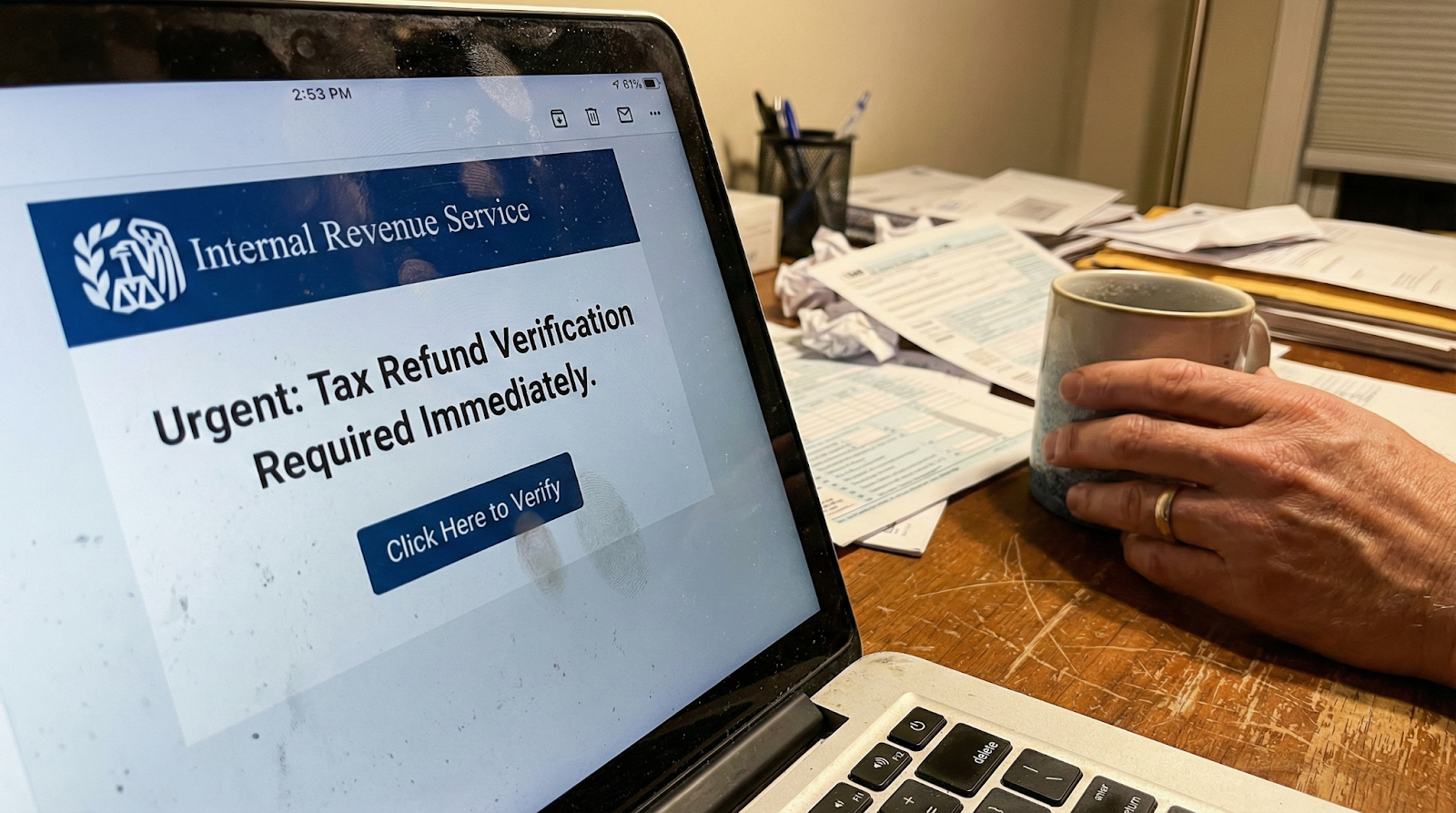
Emails claiming to be from the IRS often demand immediate action, threaten audits, or promise refunds that require verification. The IRS doesn't initiate contact via email, but many employees don't know that. These messages include official-looking logos, formal language, and links to fake portals designed to capture login credentials or payment information.
2. Tax Software and E-File Impersonation
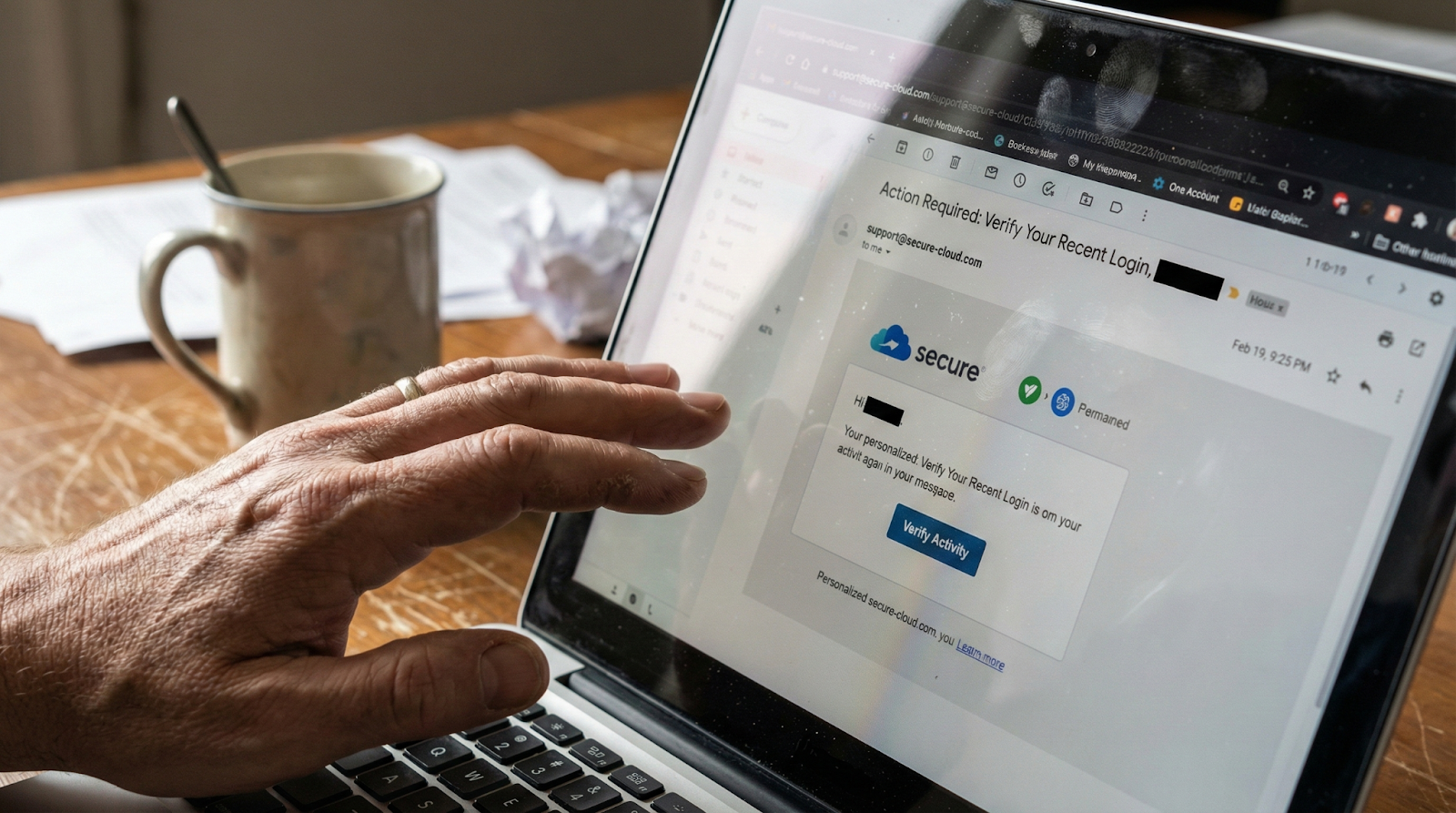
Phishing emails impersonating TurboTax, H&R Block, or other tax platforms ask users to verify accounts, update payment methods, or review suspicious activity. Since people actually use these services during tax season, the emails feel legitimate. Clicking the link takes victims to cloned login pages that steal usernames and passwords, giving attackers access to tax returns, financial records, and personal information. Organizations using cybersecurity awareness training solutions can help employees spot these fake login pages before credentials are compromised.
3. W-2 and Tax Document Requests
During tax season, Business Email Compromise (BEC) attacks spike. Attackers impersonate executives or HR to request W-2 forms or payroll data from finance/HR staff. These requests seem normal, leading to compliance. With W-2 data, attackers file fraudulent returns, steal identities, and sell the information on the dark web.
4. Refund Redirect Scams
Phishing emails claim a refund is ready but requires account verification or updated direct deposit information. Victims who follow the instructions end up providing bank account details directly to attackers, who either steal the refund or use the account information for further fraud. These scams work because people expect refunds during tax season and don't question messages that align with their expectations.
Top 7 Cybersecurity Mistakes Employees Make Without Knowing
How AI Makes Tax Season Phishing More Dangerous
AI tools have changed how phishing attacks are built and deployed. Attackers use generative AI to create natural-sounding emails, matching legitimate correspondence's tone and avoiding red flags like poor grammar. This results in harder-to-detect, more convincing attacks. Studies tracking ai-enhanced phishing strategies in tax season fraud show AI-generated emails have significantly higher success rates.
AI allows attackers to personalize phishing emails at scale by scraping public data for job titles, projects, or internal processes. This automated customization makes emails credible (e.g., mentioning tax deadlines or addressing the recipient by role), enabling attackers to easily target thousands with tailored messages.
Why Employees Are the Primary Target During Tax Season
Organizations invest in firewalls, email filters, and endpoint protection, but most tax season phishing attacks bypass these tools by targeting the human element. Employees open emails, click links, and enter credentials based on trust, habit, and urgency, not malice. Attackers understand this and design campaigns specifically to exploit those behaviors during the high-pressure weeks of tax filing.
Patterns documented in yearly tax scam patterns and phishing risk reports confirm that employee awareness is the weakest link in organizational security during tax season. Even one compromised account can lead to data breaches, financial loss, and regulatory penalties. Training employees to recognize phishing attempts, verify requests before acting, and report suspicious messages is the most effective defense against tax season attacks.
Building a Tax Season Phishing Defense That Works
Defending against tax season phishing requires a proactive approach that combines awareness, training, and clear protocols. Organizations can't rely on employees to just figure it out. They need structured programs that prepare teams before the attacks start and reinforce good habits throughout the season.
Implement Ongoing Security Awareness Training
One-time training sessions don't work, especially during high-risk periods. Regular, bite-sized lessons keep phishing tactics top of mind and help employees recognize evolving threats. Programs that include phishing attack simulations and training allow teams to practice identifying suspicious emails in a controlled environment, building the reflexes needed to spot real attacks when they happen.
Organizations looking for comprehensive support can benefit from fully managed security awareness training that adapts to evolving threats and keeps teams prepared throughout the year, not just during tax season.
Conclusion
Tax season phishing attacks are escalating in sophistication, using AI and social engineering to target predictable human behavior during high-stress deadlines. Proactive organizations, utilizing training and clear protocols, are better positioned to defend against these inevitable attacks. The best defense is an informed workforce confident in reporting suspicious activity, transforming employees from potential weak links into the first line of defense.