


Most data breaches don't happen because of sophisticated hackers breaking through firewalls. They happen because someone clicked a bad link, reused an old password, or ignored a software update. The truth is, your organization's security depends less on fancy technology and more on what your employees do every single day. When people develop consistent cybersecurity habits, they become a human firewall that no attacker can easily bypass.
Key Takeaways
- Daily cybersecurity habits are more effective at preventing breaches than annual compliance training alone.
- Strong password practices combined with multi-factor authentication block most unauthorized access attempts.
- Employees who can recognize phishing attempts become your first line of defense against social engineering attacks.
- Regular software updates and patching close security gaps before attackers can exploit them.
- Continuous microlearning builds lasting security awareness that sticks with employees long after training ends.
Why Daily Habits Matter More Than Annual Training
Think about the last time you sat through a long compliance video. How much do you actually remember a month later? Probably not much. That's the problem with traditional once-a-year training sessions. They check a box for compliance, but they don't change behavior. Organizations that understand how impactful is interactive cybersecurity training know that small, frequent lessons create habits that last.
Your brain needs repetition to form lasting memories. When employees receive short cybersecurity tips throughout their workweek, they're more likely to apply what they've learned in real situations. A quick two-minute lesson about spotting suspicious emails is far more effective than a three-hour annual seminar covering the same material. The key is consistency, not intensity.
Password Management That Actually Works
Weak passwords remain one of the easiest ways for attackers to gain access to systems. Yet many employees still use predictable combinations or reuse the same password across multiple accounts. Research shows that strong password practices reduce breach risk significantly when implemented consistently across an organization.
Good password hygiene doesn't have to be complicated. Encourage employees to use password managers that generate and store unique passwords for every account. Teach them to create passphrases instead of passwords, using random words strung together that are easy to remember but nearly impossible to crack. When people understand why these practices matter, they're more likely to follow through.
Top 7 Cybersecurity Mistakes Employees Make Without Knowing

Recognizing and Avoiding Phishing Attempts
Phishing attacks have become incredibly sophisticated. Gone are the days of obvious Nigerian prince emails. Today's phishing messages often look like legitimate communications from trusted vendors, colleagues, or executives. They use urgency and fear to push employees into clicking links or sharing sensitive information before they have time to think.
Training employees to pause before clicking is one of the most valuable habits you can develop. Teach them to hover over links to check the actual destination, verify unexpected requests through a separate communication channel, and question any message that creates artificial urgency. When teams practice these skills regularly through simulated phishing exercises, they become much better at spotting the real threats.
Keeping Systems Updated and Patched
Software updates might seem like minor inconveniences, but they often contain critical security fixes. Attackers actively search for systems running outdated software because they know exactly which vulnerabilities to exploit. According to security experts, regular patching and updates reduces vulnerabilities that cybercriminals commonly target.
Building update habits into your team's routine makes a real difference. Set expectations that employees install updates promptly rather than clicking 'remind me later' repeatedly. Make it easy by scheduling automatic updates during off-hours when possible. Organizations with established policy workflows for compliance habits find that employees follow through more consistently when expectations are clear.
Building a Cyber-aware Culture Why Training Once a Year Isnt Enough
Making Multi-Factor Authentication the Norm
Even the strongest password can be compromised through data breaches at other companies or sophisticated social engineering. That's why multi-factor authentication has become essential for protecting accounts. Studies confirm that multi factor authentication improves account security by adding a second verification layer that attackers can't easily bypass.
The habit here is simple but powerful. Enable MFA on every account that offers it, starting with email and financial systems. Use authenticator apps rather than SMS codes when possible, since text messages can be intercepted. Once employees experience how quick and painless MFA becomes after the initial setup, resistance tends to fade.
Building a Culture of Continuous Learning
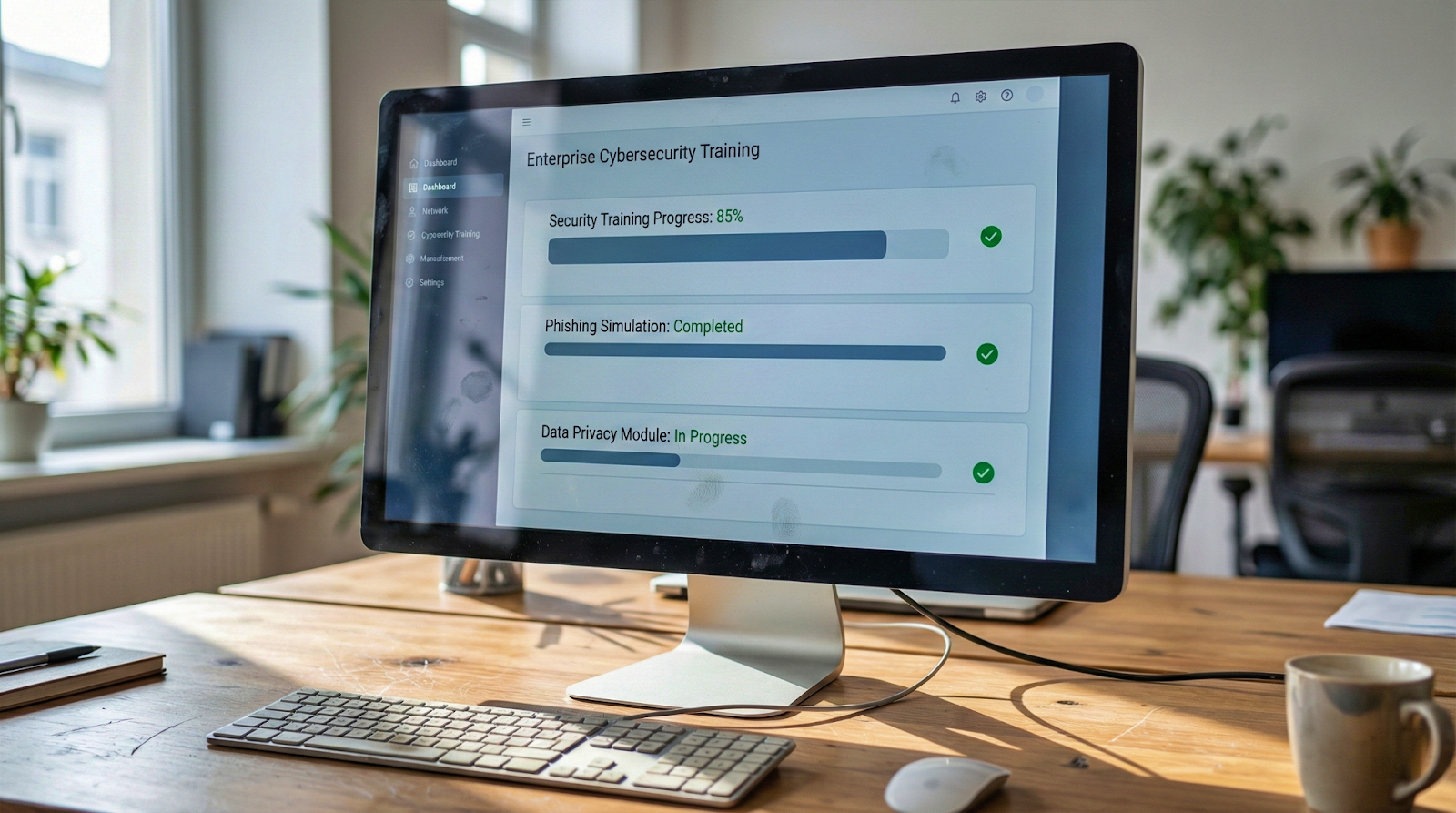
Cybersecurity threats evolve constantly, which means training can't be a one-time event. Organizations need methods for measuring the effectiveness of cybersecurity awareness programs to understand what's working and what needs adjustment. When you can see real data on employee engagement and knowledge retention, you can target weak spots before they become security incidents.
Creating a learning culture means making training accessible and relevant. Bite-sized lessons that fit into busy schedules work better than lengthy sessions that pull people away from their core responsibilities. Gamification elements like points, badges, and friendly competition keep people engaged over time. The goal is to make security awareness feel like a natural part of the workday rather than an interruption.
Ready to transform your team's security habits? Explore Drip7's fully managed security awareness training to see how microlearning can build lasting cybersecurity behaviors across your organization.
Turning Awareness Into Action
The cybersecurity habits that stop breaches aren't complicated. They're built through consistent practice, clear expectations, and training that meets employees where they are. When people understand the why behind security practices, they become active participants in protecting your organization rather than passive liabilities.
Focus on the fundamentals: strong passwords, phishing recognition, timely updates, and multi-factor authentication. Build these habits gradually through bite-sized training that respects your team's time. The investment you make in developing these behaviors will pay off in reduced risk and a workforce that takes security seriously.